The evolution of technology has brought profound changes to healthcare, with one of the most significant advancements being the adoption of cloud based hospital management systems. These systems have transformed hospital operations, making them more efficient, secure, and accessible. But the real question is: Are cloud-based solutions truly the future of hospitals?
To answer this, let’s explore the impact of cloud-based systems on hospitals, their benefits, challenges, and how they align with the vision of the best hospital management system. We’ll also look at the role of hospital information system companies in driving this transformation.
What Are cloud based hospital management systems?
A cloud based hospital management system is a software solution hosted on remote servers, accessed via the internet. Unlike traditional on-premises systems, which require physical infrastructure and significant maintenance, cloud systems store and manage data in secure, centralized servers. These solutions encompass all aspects of hospital management, including patient records, appointment scheduling, billing, resource allocation, and reporting.
With the ability to access data anytime, anywhere, cloud-based solutions have become indispensable for modern hospitals.

Why Are Hospitals Adopting Cloud-Based Solutions?
Hospitals face growing challenges, such as managing increasing patient volumes, ensuring data security, and meeting compliance standards. Cloud-based systems address these challenges by offering:
1. Cost-Effective Scalability
Traditional systems require expensive hardware, software, and IT staff for maintenance. In contrast, cloud-based solutions operate on a subscription model, allowing hospitals to scale up or down based on their needs without significant upfront investment.
2. Enhanced Data Security
Data breaches are a growing concern in healthcare. Leading hospital information system companies ensure their cloud solutions comply with international data protection regulations like HIPAA and GDPR. Advanced encryption, multi-factor authentication, and regular security updates protect sensitive patient data.
3. Accessibility Anytime, Anywhere
Cloud systems allow doctors, nurses, and administrators to access hospital data from any device with an internet connection. This accessibility is particularly valuable for multi-location hospitals and telemedicine services.
4. Improved Efficiency
By automating routine tasks such as appointment scheduling, billing, and inventory management, cloud-based solutions reduce administrative burdens. This allows healthcare professionals to focus more on patient care.
5. Real-Time Collaboration
Cloud systems enable seamless communication between departments. Whether it’s sharing patient records with specialists or coordinating treatment plans, these systems foster collaboration.
Benefits of Cloud-Based Systems in Hospitals
For Patients
- Convenient Access to Medical Records
Patients can view their medical history, prescriptions, and test results through secure online portals. - Faster Service
Automated appointment scheduling and billing processes minimize waiting times. - Improved Transparency
Patients can track their treatment progress and understand their medical expenses better.
For Healthcare Providers
- Streamlined Workflows
Tasks like patient registration, lab report generation, and discharge processes are automated, saving time. - Accurate Diagnoses
Real-time access to patient records ensures doctors have all the information they need to make informed decisions. - Better Resource Allocation
Cloud systems track the availability of beds, staff, and equipment, ensuring optimal use of resources.
For Hospital Administrators
- Data-Driven Decision Making
Administrators can analyze performance metrics such as patient inflow, treatment success rates, and financial data. - Regulatory Compliance
Automated reporting features help hospitals meet compliance standards effortlessly. - Cost Savings
Reduced dependency on physical infrastructure lowers operational costs.
The Role of Hospital Information System Companies
Hospital information system companies are at the forefront of this shift, designing cloud-based solutions tailored to healthcare needs. They focus on integrating advanced technologies like artificial intelligence (AI) and machine learning (ML) to enhance functionality. Here’s how they contribute:
1. Customization
Top companies provide solutions that cater to the unique requirements of different hospitals, whether it’s a small clinic or a large multi-specialty facility.
2. Integration with Other Systems
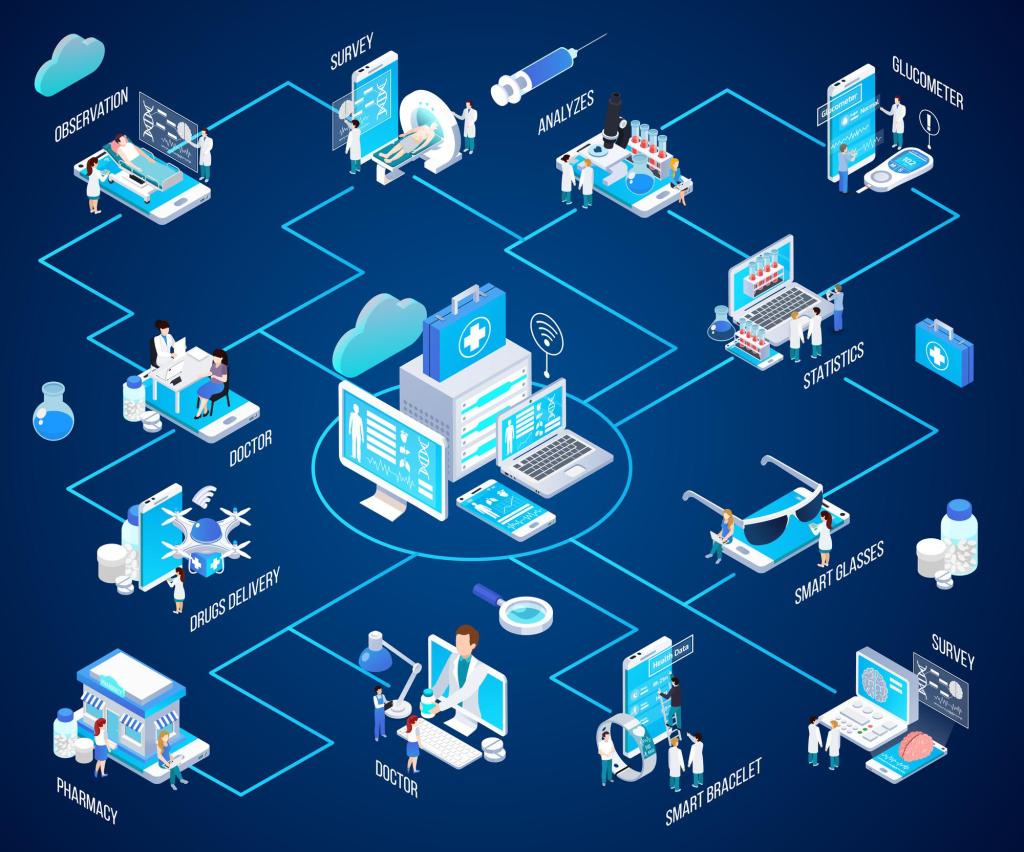
cloud based hospital management systems can seamlessly integrate with diagnostic tools, wearable devices, and telemedicine platforms, creating an interconnected healthcare ecosystem.
3. Continuous Support and Updates
Leading providers offer 24/7 support and regular updates, ensuring hospitals always have access to the latest features.
4. Ensuring Compliance
These companies ensure their systems meet global healthcare regulations, reducing the compliance burden on hospitals.
Challenges of Cloud-Based Solutions
Despite their advantages, cloud-based systems are not without challenges. Hospitals need to address these to maximize the benefits:
1. Internet Dependency
Cloud systems rely on stable internet connections. In areas with poor connectivity, accessing data can become challenging.
2. Data Privacy Concerns
Although cloud systems are secure, the risk of data breaches remains. Hospitals must choose reputable providers with robust security measures.
3. Resistance to Change
Adopting a cloud-based system requires staff training and a shift in organizational culture, which can be time-consuming.
4. Initial Setup Costs
While cloud systems are cost-effective in the long run, the initial migration and setup can be expensive.
Future Trends in Cloud-Based Healthcare
1. AI and Predictive Analytics
Cloud systems are increasingly incorporating AI to analyze patient data and predict health trends. This enables personalized treatment plans and proactive care.
2. Blockchain Technology
Blockchain can enhance data security by creating tamper-proof records, ensuring data integrity and transparency.
3. IoT Integration
The Internet of Things (IoT) will allow real-time data collection from devices like wearable monitors, which can be analyzed on cloud platforms for better health outcomes.
4. Mobile-First Solutions
As mobile usage grows, the best hospital management system providers are developing mobile-first platforms to meet user preferences.
Case Studies: Real-World Impact
1. Multi-Specialty Hospitals
A leading multi-specialty hospital adopted a cloud-based system to unify operations across its branches. The result? Improved resource management, faster patient admissions, and a 20% reduction in operational costs.
2. Rural Healthcare Centers
Small healthcare facilities in remote areas implemented a cloud-based system to provide telemedicine services. This allowed patients to consult specialists without traveling long distances.
3. Pandemic Response
During the COVID-19 pandemic, hospitals used cloud-based systems to manage patient inflow, allocate beds, and support remote consultations, ensuring uninterrupted care.
Conclusion
The healthcare industry is undergoing a digital transformation, and cloud based hospital management systems are at the heart of it. These systems offer unparalleled advantages in terms of accessibility, efficiency, and cost-effectiveness, making them the top choice for hospitals worldwide.
As hospital information system companies continue to innovate, the capabilities of cloud solutions will only expand, integrating cutting-edge technologies like AI, IoT, and blockchain. While challenges exist, the benefits far outweigh the drawbacks, positioning cloud-based solutions as the future of hospital management.





 Sisgain
Leave a comment