In today’s digital-first world, healthcare mobile apps are transforming the way patients and providers interact. From booking appointments to managing chronic conditions, mobile apps are becoming essential tools in modern healthcare. However, the key to a successful app lies in understanding what users truly want. Whether you’re a healthcare app development company or a healthcare provider planning to launch an app, knowing user expectations is critical.
This blog will explore the essential features and experiences users seek in a healthcare mobile app, backed by industry insights and best practices in healthcare mobile app development.
Why Understanding User Needs is Crucial
The healthcare industry demands a unique approach to app development. Unlike other sectors, healthcare apps must prioritize patient safety, privacy, and emotional support. Users in this field expect more than just functionality; they seek trust, convenience, and empathy. Ignoring these needs can result in low adoption rates, negative reviews, and potential risks to patient safety.
App development healthcare must therefore focus on understanding and addressing user needs. By prioritizing user experience and creating solutions that are both effective and compassionate, developers can build impactful apps that improve lives and drive business success in the healthcare industry.
Top Features Users Expect in a Healthcare Mobile App
1. User-Friendly Interface
A healthcare app must cater to a wide range of users, including patients, doctors, and administrators. A simple, intuitive interface is essential. Users don’t want to spend time navigating complex menus or deciphering jargon—they need quick, easy access to information.
Key Elements:
- Simple navigation with clear labels.
- Clean design with a focus on accessibility.
- Personalized dashboards for different user types.
2. Secure Access and Data Privacy
Healthcare data is sensitive and highly regulated. Users expect their information to be protected at all costs. Compliance with regulations like HIPAA and GDPR isn’t just mandatory—it’s a trust factor for users.
Key Elements:
- Multi-factor authentication (MFA).
- End-to-end encryption for all data transmissions.
- Clear privacy policies and consent forms.
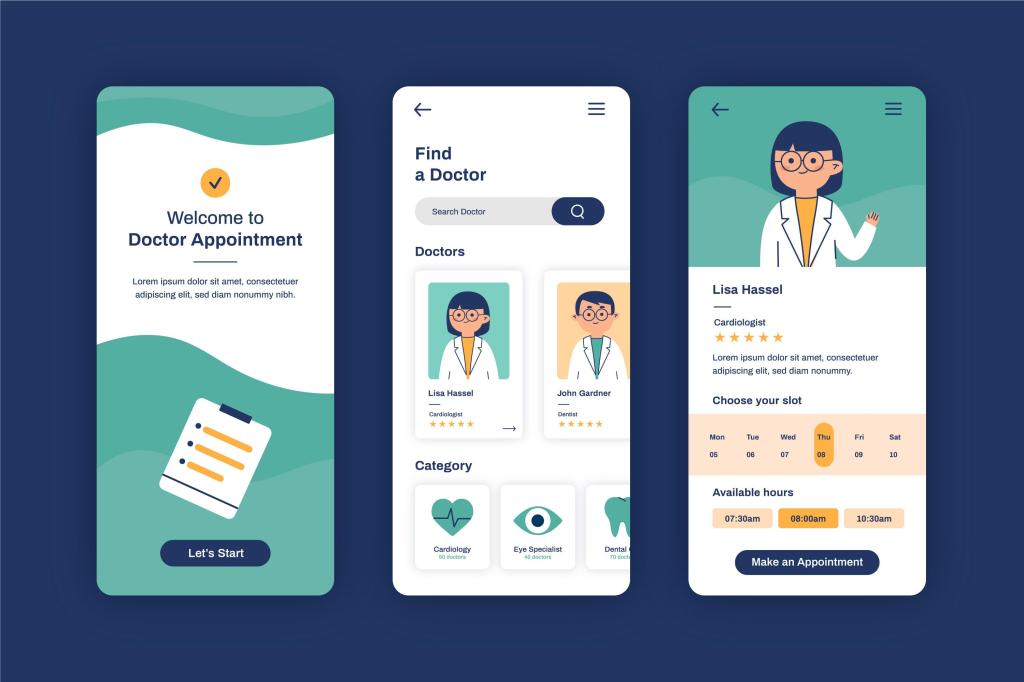
3. Seamless Appointment Scheduling and Management
One of the most sought-after features in a healthcare app is the ability to book and manage appointments effortlessly. Users want a seamless experience, from scheduling to receiving reminders.
Key Elements:
- Easy appointment booking with calendar integration.
- Notifications and reminders via email, SMS, or push notifications.
- Option to cancel or reschedule with a few clicks.
4. Telehealth and Virtual Consultations
The COVID-19 pandemic accelerated the adoption of telehealth, and users now expect virtual consultation options. This feature adds convenience, especially for patients with mobility issues or those living in remote areas.
Key Elements:
- Secure video conferencing capabilities.
- Options to share documents, images, and test results during the consultation.
- Post-consultation notes and prescriptions available within the app.
5. Access to Medical Records and Test Results
Users want easy access to their medical history, prescriptions, and test results. This not only empowers patients but also helps them make informed decisions about their health.
Key Elements:
- Secure, easy-to-navigate EHR (Electronic Health Record) access.
- Ability to download or share records with other healthcare providers.
- Integration with lab systems for real-time updates on test results.
6. Medication Reminders and Management
Medication adherence is a significant challenge in healthcare. Users appreciate apps that help them stay on track with their prescriptions.
Key Elements:
- Customizable medication reminders.
- Pill identification tools.
- Integration with pharmacies for prescription refills.
7. Health Tracking and Monitoring
Many users seek apps that help them track their health metrics, such as blood pressure, blood sugar, or activity levels. This is particularly important for managing chronic conditions.
Key Elements:
- Integration with wearable devices and health monitoring tools.
- Personalized dashboards showing progress over time.
- Alerts for abnormal readings or trends.
Enhancing User Experience: Beyond Basic Features
1. Personalization
Users appreciate apps that cater to their specific needs and preferences. Personalization can range from customized dashboards to tailored health recommendations.
Examples:
- Personalized health tips based on user data.
- Customizable app themes for visual comfort.
2. Multi-Language Support
Healthcare is a universal need, and language barriers can be a significant hurdle. Offering multi-language support ensures inclusivity and broadens the app’s reach.
3. Emotional Support and Wellness Resources
Mental health is an integral part of overall well-being. Users appreciate apps that offer resources like guided meditations, mental health assessments, or connections to support groups.
Examples:
- Chatbots for answering common health questions.
- Access to mental health professionals through the app.
4. Offline Access
Not all users have constant internet access, especially in rural areas. Offering offline access to critical features ensures the app remains useful even without connectivity.
Common Mistakes to Avoid in Healthcare App Development
Even with the best intentions, some apps fail to meet user expectations. Here are common pitfalls to avoid:
1. Overloading with Features
While it’s tempting to include every possible feature, too many options can overwhelm users. Focus on core functionalities and add extra features based on user feedback.
2. Ignoring User Feedback
Continuous improvement is key to app success. Regularly collect and analyze user feedback to identify pain points and areas for enhancement.
3. Poor Performance and Bugs
A healthcare app must be reliable. Bugs or crashes can undermine user trust and even put patient health at risk. Rigorous testing is essential before launch.
Choosing the Right Healthcare App Development Company
The success of your healthcare app depends largely on the development partner you choose. Here’s what to look for:
1. Industry Experience
A company with a background in healthcare app development will understand the unique challenges and requirements of the sector.
2. Compliance Expertise
Ensure the company is well-versed in healthcare regulations and can implement robust security measures.
3. Proven Track Record
Look for case studies, client testimonials, and examples of successful healthcare apps they’ve developed.
Conclusion
Understanding what users want is the foundation of successful healthcare mobile app development. By focusing on user needs—such as ease of use, data security, and essential features like telehealth and medication reminders—you can create an app that not only meets expectations but exceeds them.
Partnering with an experienced healthcare app development company ensures you have the expertise and support needed to bring your vision to life. In a world where technology and healthcare are increasingly intertwined, building user-centered apps isn’t just good business—it’s a step toward better healthcare for all.




 Sisgain
Leave a comment