Transforming Healthcare with Digital Innovation
Healthcare mobile app development involves creating applications for mobile devices that help users manage their health and wellness. These apps can track fitness goals, manage medical conditions, schedule appointments, and even communicate with healthcare providers remotely.
The development process includes market research, app conceptualization, UI/UX design, platform selection, development, testing, and launch. Key features often include patient portals, telehealth capabilities, medication reminders, health trackers, and secure messaging.
Why Healthcare Apps Are Revolutionizing Healthcare
Healthcare apps are transforming how healthcare is delivered and experienced by both patients and providers. The role of mobile apps in healthcare isn’t just a passing trend—it’s becoming the new norm.
Key Benefits of Healthcare Apps:
- Increased Accessibility: Healthcare apps break down geographical barriers, allowing patients to consult with doctors and specialists remotely.
- Better Patient Engagement: With easy access to health data, appointment scheduling, and communication with healthcare providers, patients feel more involved in their health journey. This active engagement often leads to better outcomes.
- Efficiency and Time-Saving: Healthcare professionals can use apps to streamline administrative tasks, reducing paperwork and improving efficiency in both clinics and hospitals.
- Cost Reduction: By providing access to virtual consultations and remote monitoring, healthcare apps can reduce the need for physical appointments and hospital visits, ultimately lowering healthcare costs.
Types of Healthcare Apps You Can Develop
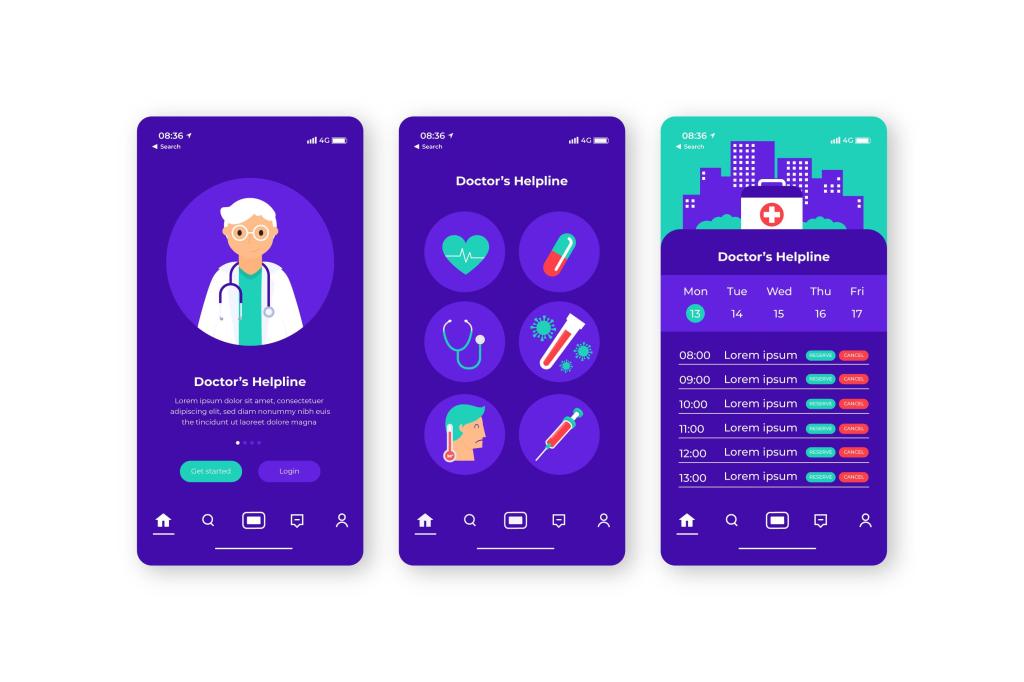
When embarking on the healthcare mobile app development journey, it’s essential to decide on the type of healthcare app you want to create. Healthcare apps can cater to various aspects of the healthcare industry, and each serves a different function based on the needs of the user.
- Telemedicine Apps:
These apps allow virtual doctor consultations, diagnostics, and prescriptions, helping patients save time and avoid in-person visits, especially during health crises like COVID-19. - Health Monitoring Apps:
These apps track health metrics such as heart rate, sleep, and activity, often syncing with wearables like fitness trackers to help users manage chronic conditions and reach fitness goals. - Medication Management Apps:
Patients can use these apps to track prescriptions, get medication reminders, and set up automatic refills, helping ensure medication adherence, especially for the elderly or those on multiple medications. - Electronic Health Record (EHR) Apps:
These apps digitize patient records, giving doctors easy access to diagnoses, treatment plans, and test results, which improves care efficiency and reduces errors. - Hospital Management Apps:
These apps streamline hospital operations such as patient admissions, scheduling, billing, and inventory, helping optimize resources and improve workflow.
Features of a Successful Healthcare Mobile App
For a healthcare app to be successful, it must include essential features that address the needs of both patients and healthcare providers. These features not only improve the user experience but also enhance the overall functionality of the app.
Key Features to Include in Your Healthcare App:
For Patients:
- User Registration & Authentication: Patients should be able to create accounts securely using email, social media, or phone numbers, with strong authentication processes to protect their personal information.
- Appointment Scheduling and Management: The app should allow patients to book, cancel, or reschedule appointments easily. This feature can include reminders and notifications to prevent missed appointments.
- Health Records Access: Patients should be able to access their medical history, lab results, and doctor notes. This promotes transparency and lets patients track their health over time.
- Real-Time Communication: Features like in-app messaging, video calls, or chatbots can provide patients with quick access to medical professionals for advice or consultation.
For Providers:
- Doctor Dashboard: The dashboard is a critical feature for healthcare providers to track patient data, manage appointments, and view medical histories. This tool can also provide key analytics to help doctors make data-driven decisions.
- Prescription Management: Healthcare providers should be able to write prescriptions directly from the app, and integrate it with pharmacies for automatic refills.
- Patient Alerts: Doctors should receive real-time alerts for urgent issues such as changes in patient vitals or medication errors.
How to Develop a Healthcare App: Step by Step
Developing a healthcare app requires careful planning, thoughtful design, and the right technical expertise. Here’s a detailed step-by-step guide on how to develop a healthcare app:
Step 1: Define Your Objectives and Target Audience
Start by identifying the core purpose of your app. Is it aimed at patients, doctors, or both? Who will benefit the most from your app, and what problems does it solve? Understanding your target audience’s pain points and needs is crucial in tailoring the app’s features and user interface.
Consider conducting market research to assess existing healthcare apps and determine your unique selling proposition (USP).
Step 2: Choose the Right Healthcare App Design
Design is a pivotal element of any healthcare app. A seamless and intuitive design ensures that users can navigate the app easily, whether they are tech-savvy or not.
Best Practices for Healthcare App Design:
- Simplicity is Key: Keep the interface clean and simple to ensure that users can find what they need quickly.
- Mobile-First Design: Since many users will access the app on smartphones, prioritize mobile usability, ensuring that the app works seamlessly across devices.
- Accessibility Standards: Ensure the app is accessible to users with disabilities by following standards like WCAG. This includes features like voice commands, high-contrast colors, and screen readers.
- Personalization: Allow users to customize their experience based on their health conditions or preferences.
Step 3: Select the Right Technology Stack
The technology stack you choose plays a significant role in your app’s performance, scalability, and security. Common tech stacks for healthcare app development include:
- Frontend: React Native or Flutter for cross-platform development, or Swift (for iOS) and Kotlin (for Android) for native apps.
- Backend: Node.js, Ruby on Rails, or Python to handle data and server-side logic.
- Cloud Services: AWS, Google Cloud, or Azure offer scalable, secure cloud storage solutions that are crucial for healthcare data.
Step 4: Implement Strong Security and Compliance Measures
Data privacy is paramount in healthcare, so your app must be secure and comply with relevant regulations.
Key Regulations:
- HIPAA (Health Insurance Portability and Accountability Act): Ensures that healthcare apps in the U.S. maintain the privacy and security of patient data.
- GDPR (General Data Protection Regulation): Governs data privacy for users in the European Union.
Security Best Practices:
- End-to-End Encryption: Encrypt sensitive data both in transit and at rest.
- Multi-Factor Authentication (MFA): Add an extra layer of security by requiring users to verify their identity through two or more methods.
- Regular Security Audits: Perform routine checks to identify vulnerabilities and ensure compliance with the latest security standards.
5. Collaborating with Healthcare App Companies
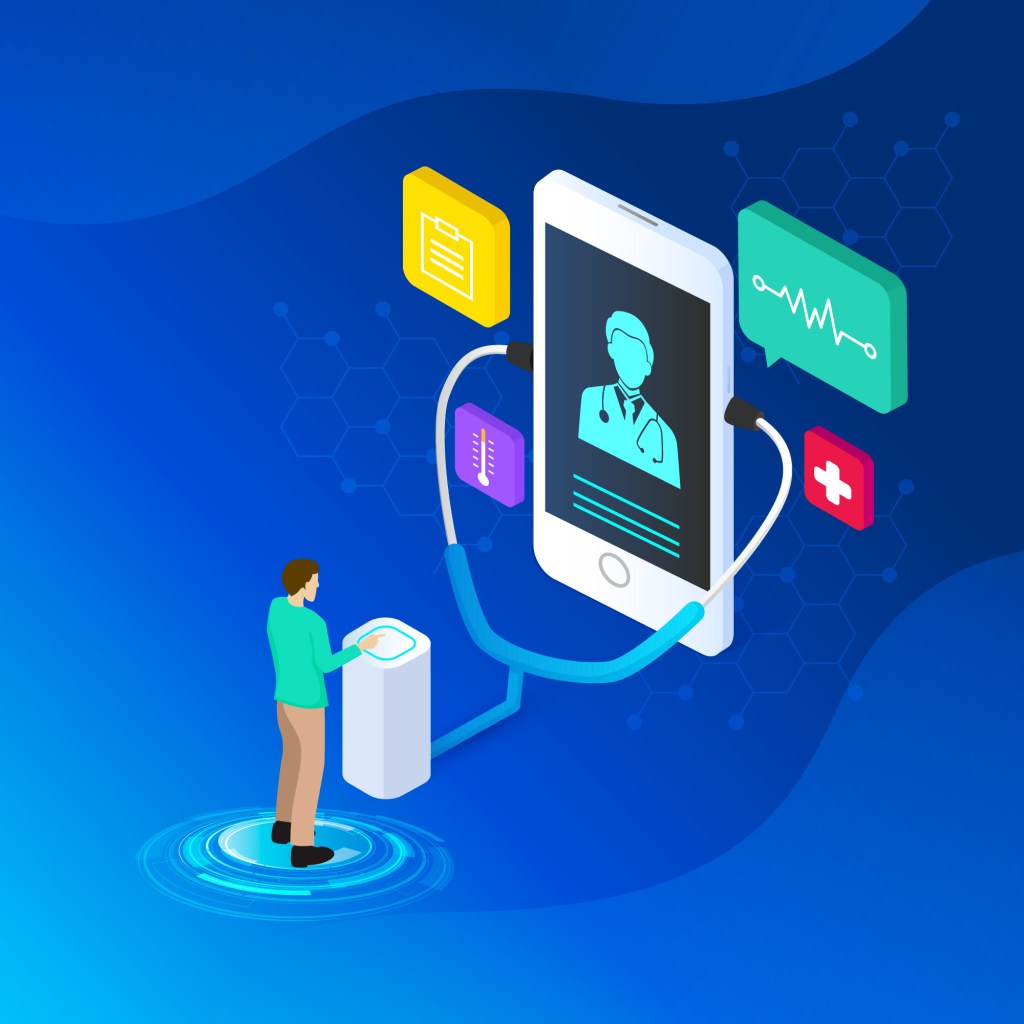
Choosing the right healthcare app companies to partner with is vital to the success of your project. A well-established app development firm with experience in the healthcare sector can offer expert guidance and ensure the app meets regulatory standards and industry expectations.
Key Attributes to Look for in Healthcare App Companies:
- Experience in Healthcare: Choose a company with a proven track record in building healthcare apps and understanding healthcare-specific challenges.
- Expertise in Security and Compliance: They should be well-versed in the regulations governing patient data and have experience implementing secure solutions.
- Portfolio and Client Testimonials: Review their portfolio to see if they’ve developed apps similar to yours, and check testimonials for feedback from past clients.
Conclusion
The future of healthcare lies in digital transformation, and healthcare mobile app development is central to this revolution. By offering easy access to medical services, improving patient engagement, and enhancing operational efficiency, healthcare apps are improving lives around the world. Whether you’re a healthcare provider, startup, or developer, now is the time to harness the potential of mobile technology to reshape the healthcare landscape.
Ready to create an app that transforms healthcare? Start your journey today with the right planning, design, and development partner.




 Sisgain
Leave a comment